
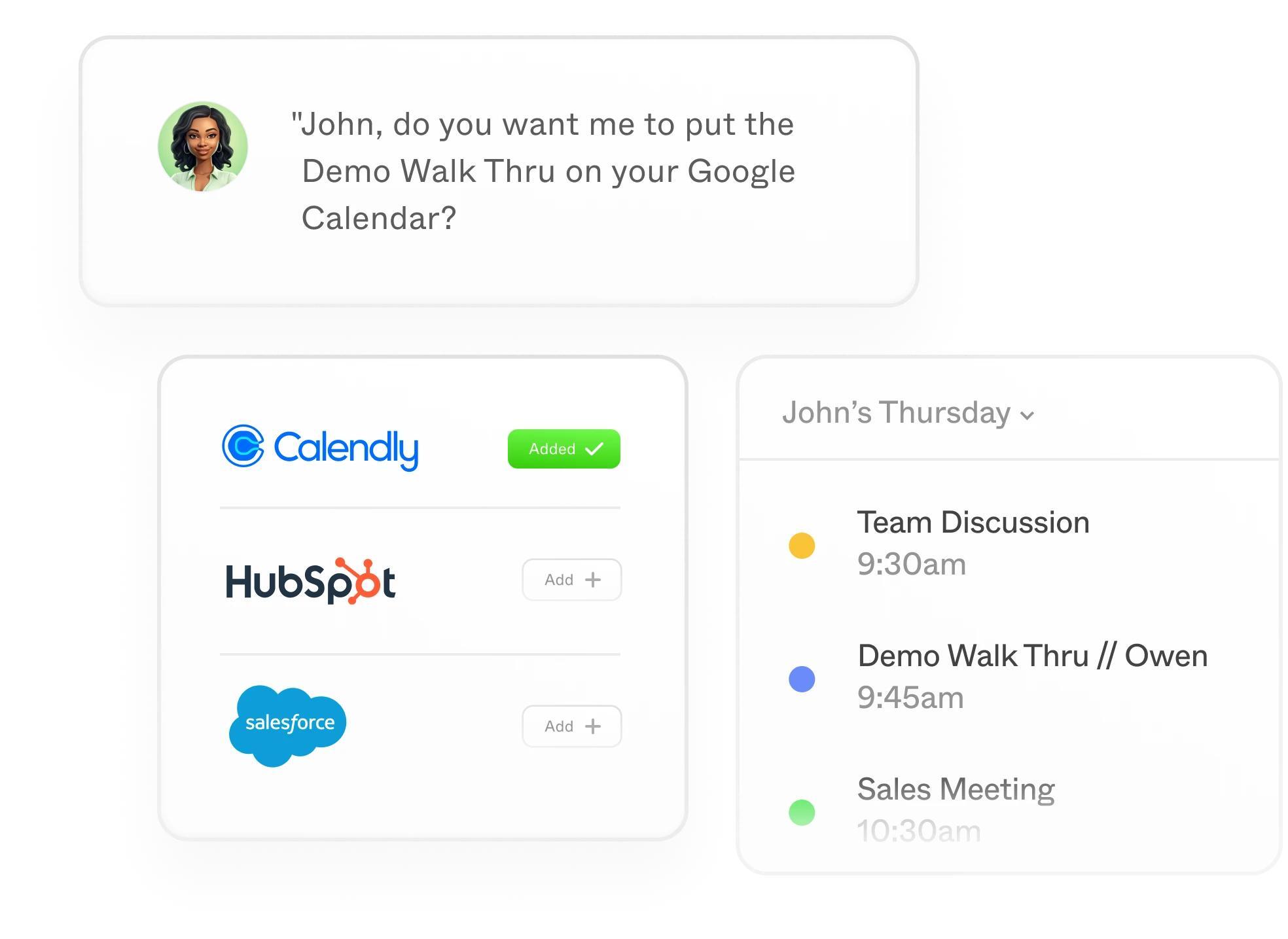
Businesses rely on dozens of software platforms every day—CRMs, calendars, email systems, databases, support desks, and project management tools. While these systems help manage operations, employees often spend significant time switching between applications and performing repetitive tasks.
AI Tool Calling is changing that by allowing intelligent AI agents to interact directly with business software and complete actions automatically.
What Is AI Tool Calling?
Tool Calling enables an AI assistant to connect with external applications and perform real actions on behalf of users.
Instead of simply answering questions, AI can execute tasks such as:
- Scheduling appointments
- Updating CRM records
- Sending emails
- Creating support tickets
- Retrieving customer information
- Generating reports
- Updating databases
The result is a more capable AI system that can not only understand requests but also take action immediately.
How It Works
When a user makes a request, the AI first understands the intent using natural language processing. It then determines which connected tools are needed to complete the task and securely interacts with those systems through APIs.
For example, if a customer says:
“Book a meeting with our sales team next Tuesday.”
The AI can:
- Check calendar availability.
- Create the appointment.
- Send confirmation emails.
- Update the CRM.
- Notify the sales representative.
All within seconds and without manual intervention.
Key Benefits of AI Tool Calling
Faster Operations
Tasks that previously required multiple steps can be completed instantly through a single conversation.
Reduced Manual Work
Employees spend less time on repetitive administrative activities and more time on strategic work.
Improved Accuracy
Automation reduces the risk of human error when entering data, updating records, or managing schedules.
Better Customer Experience
Customers receive immediate responses and faster resolutions without waiting for human assistance.
Common Business Applications
Customer Support
AI can create tickets, check order statuses, update customer records, and escalate issues when necessary.
Sales Operations
Sales teams can automate lead qualification, CRM updates, follow-up scheduling, and customer outreach.
Appointment Management
AI assistants can book, reschedule, and cancel appointments while keeping calendars synchronized.
Internal Workflows
Organizations can automate approvals, reporting, document management, and task assignments across departments.
Building a Connected Business Ecosystem
The true value of AI Tool Calling comes from integration. By connecting AI with the systems businesses already use, organizations can create seamless workflows that eliminate bottlenecks and improve efficiency across the entire operation.
As AI technology continues to evolve, tool calling is becoming a critical capability for businesses looking to streamline operations, reduce costs, and deliver faster service at scale.
Conclusion
AI Tool Calling transforms virtual assistants from simple conversational tools into powerful operational agents. By enabling AI to interact directly with business systems, organizations can automate routine processes, improve productivity, and create more efficient customer experiences.
The future of automation isn’t just about answering questions—it’s about getting work done.